
When artificial intelligence (AI) was introduced, the academic circle burst with joy. Finally, one can finish a day’s work in a matter of hours. Then, AI detectors were introduced because students were abusing AI.
But human experience has taught us that with every passing restriction comes increasing measures to bypass such restrictions. AI humanisers were introduced, and with time they are getting better, but after three years of trying them, I and many others on social media think it is time to retire them, and the reasons are much deeper than waiting for the next updates.
Recently, I took some time to review some articles that were written when journals had strict rules concerning AI usage, and I realised a disturbing trend. The tools that most people, including myself, have trusted were silently ruining the quality of academic work.
I looked closely at the sentences, and I saw problems that we have all missed earlier, or perhaps chose to ignore. I want to share the three main reasons why I am making this hard decision of quitting AI humanisers alongside many others.
Awkward Phrasing and the Illusion of Human Text
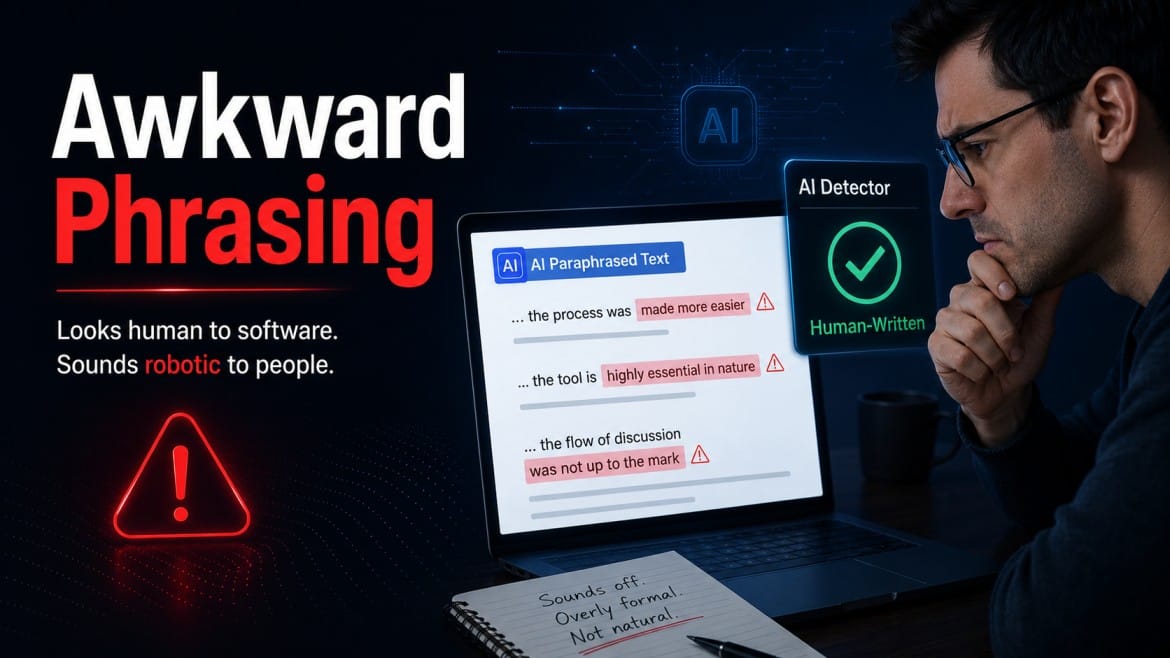
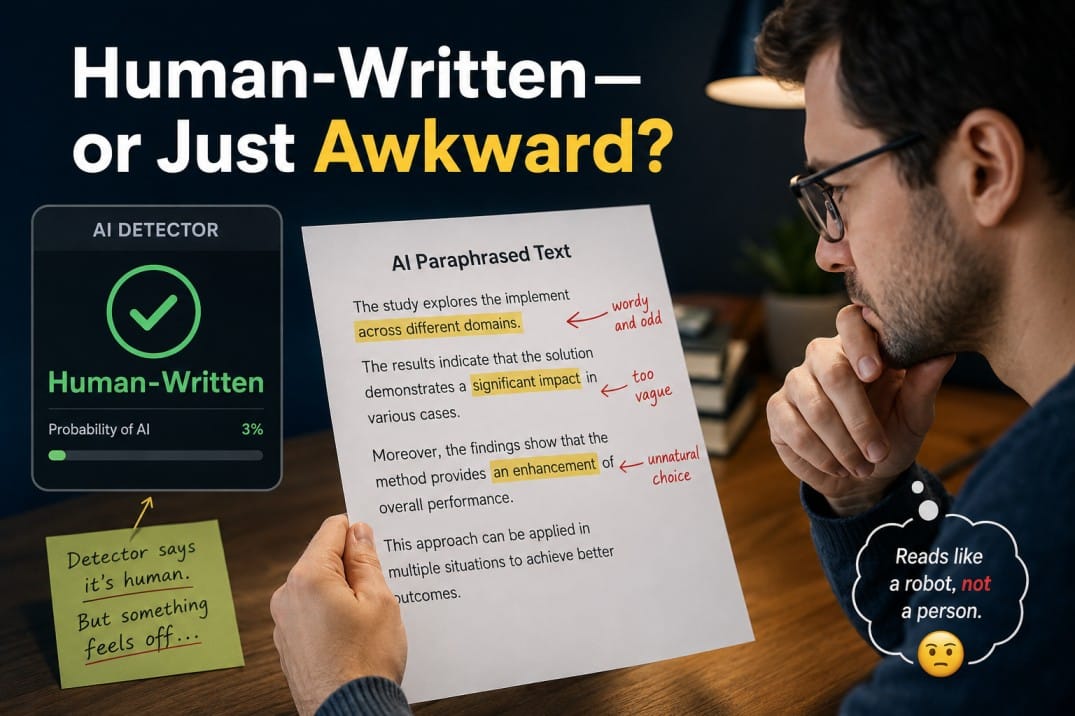
Many writers use humanisers with one main goal in mind. They want to escape AI detectors. It is true that some of these tools rewrite the text in a way that passes the software detectors. The detectors might classify the text as human-written.
However, the resulting text is usually awkward and retains a highly robotic tone. You will read the output and find words that do not fit the natural flow of human speech. A human reviewer or a professor can easily spot the unnatural phrasing when he or she reads your work.
The situation defeats the practical benefits of using a humaniser in the first place. The original idea is to make your work easier. Instead, you spend hours editing the awkward sentences to make them sound natural. I realised that it is much faster and safer to just write the text yourself from the beginning.
The Danger of Paragraph Clipping
The problem of paragraph clipping is one that many users experience but do not discuss. AI humanisers have a bad habit of clipping paragraphs. They remove important sentences without giving you any warning. You can paste a full, well-structured paragraph with a clear argument into the tool.
You expect to get a reworded version of the exact same length and meaning. However, the output you receive will usually miss the main sentence that connects your ideas. The machine attempts to shorten the text instead of rewording it, which destroys the logical flow of your argument.
You lose the original meaning entirely. The missing sentences force you to go back to the original draft, find what was removed, and rewrite the missing parts manually. Most people have lost many good arguments over the years because the tool decided to cut them out.
Removal of Key Terms and Context-Blind Replacements
Every academic and professional discipline has specific terms that you cannot easily replace. These humanisers are tools that do not understand the deep context of your research or your writing. As a result, they remove key terms and introduce new words that are context-blind.
Sometimes, the new words are value-reductive, which means they reduce the academic weight of your sentence. For example, a humaniser might change a standard technical term into a basic everyday word. The new phrase completely changes the academic meaning of the text.
The tools rely on basic synonyms to rewrite your work. The reliance on basic synonyms ruins the professional tone of your writing. You are left with a text that sounds unprofessional to any expert who reads it. Your readers will question your knowledge of the subject matter when they see the wrong terminology in your work.
What’s Next?
The question most people are asking is about the way forward. Luckily, most academic institutions and journals now accept AI-written text. Instead of paraphrasing them out, just acknowledge the sections where AI was used, and you are safe. First, you preserve your original meaning, and second, you become accountable. You can confirm this from your institutional policy. You can also rewrite manually. Click to read how.

Godson Nana Adu Agyei has over eight years of experience in research consulting and study design. At NurcAcademy.com, Godson applies his extensive practical experience to help students, academics and professionals understand the intricacies of research methodologies. From developing powerful research questions to conducting complex data analysis, he provides high quality, practical tutorials that bridge academic theory and real-world practice.