

During my undergraduate studies, I wrote a term paper. The content was exceptional, and I remember very well that I did not plagiarize, although accidental plagiarism sometimes happens (if you do not know what accidental plagiarism is, check it out here). When our professor came to class, he asked me to see him after the session in front of the whole class and went ahead to speak extensively about writing academic papers.
When I went to see him, we had a thorough discussion about referencing, and that discussion changed how I write and how I acknowledge other scholars for their efforts toward the academic community. Basically, he asked me to use a consistent referencing style. We will discuss that in this write-up, but before we begin, there is one thing he also told me. He said that referencing is an identity. You can lie about the school you attended and the program you offered, but if we ask for your writing sample, we can surely know the truth.
When a supervisor asks you to use a consistent referencing style, they are not trying to make your life difficult. They are reacting as a reader, an examiner, and a researcher who has seen many good works lose credibility over small details. To you, it may feel like a minor formatting issue. To them, it signals discipline, clarity, and academic maturity.
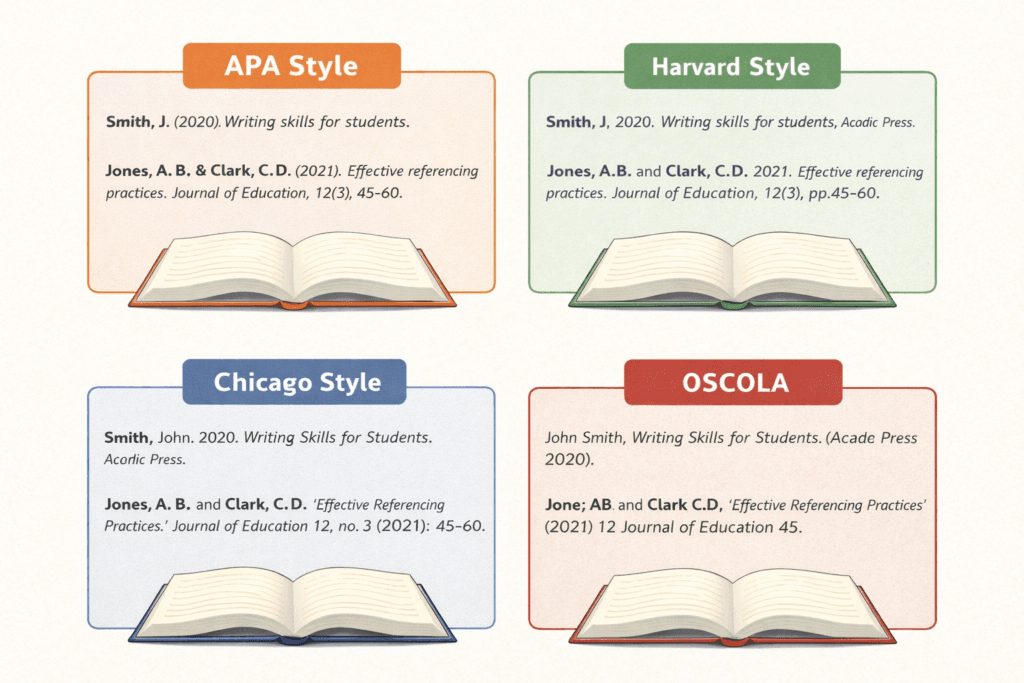
At the simplest level, consistent referencing means choosing one approved style and sticking to it from the first page to the last. If you start with APA, you stay with APA. If it is Harvard, you do not mix it with Vancouver halfway through the work. This applies to in-text citations, reference lists, punctuation, italics, dates, and even how authors’ names are arranged.
But there is more beneath the surface. When your supervisor raises this issue, he or she may be telling you that your work is ready to be taken seriously. In early drafts, supervisors will usually focus on ideas, arguments, and structure. Whenever they shift their attention to referencing consistency, it usually means the content is improving and now presentation matters.
They may also be thinking ahead to examination. External examiners notice referencing very quickly. Inconsistent styles make them wonder if the student understands academic conventions or simply copied sources from different places without care. Even when the analysis is strong, poor referencing can quietly reduce confidence in the work. In some cases, they even want you to publish the paper, but journals have high standards for referencing.
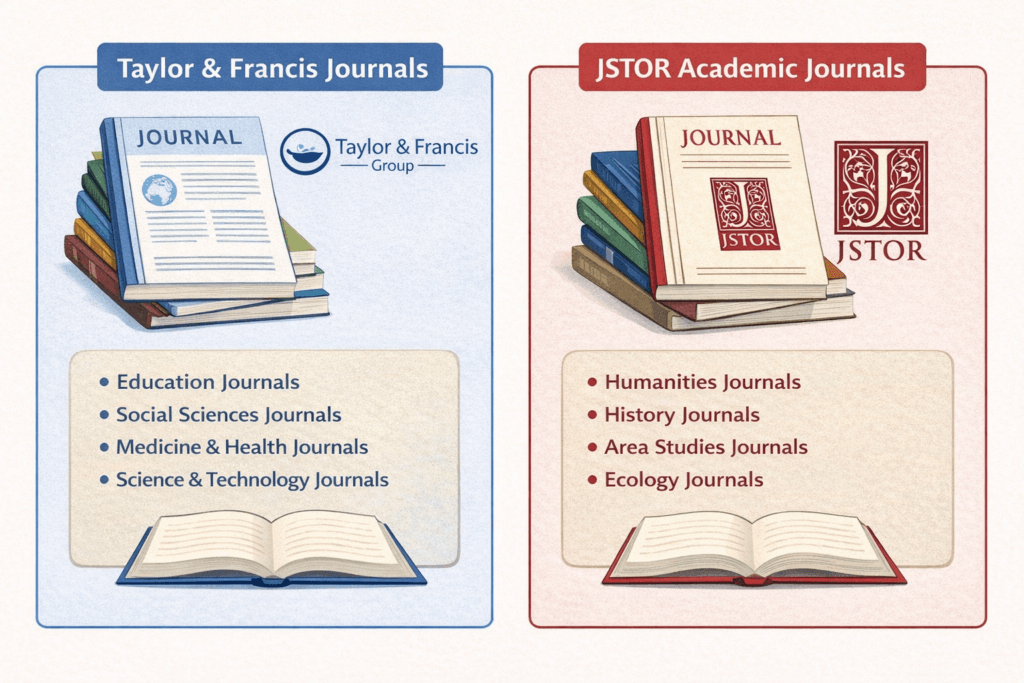
From your supervisor’s point of view, referencing is not just about rules. It is about respect. You are showing respect to the authors you cite, to the academic system you are entering, and to the reader who needs to trace your sources easily. When references are inconsistent, it slows the reader down and breaks trust.
For you as a student, this request is also a lesson in professional habits. Research is not only about thinking well. It is about presenting your thinking in a way others recognise and accept. Journals reject papers every day, not because the ideas are weak, but because the formatting and referencing do not meet standards.

So what should you do when this comment appears in the margins of your draft? First, confirm the exact style your department expects. Do not guess. For example, the KNUST Religious Studies and History Department use Chicago style, Engineering Harvard, and other social sciences and humanities use APA. Next, get a reliable guide for that style and follow it carefully. Then, review your entire work, not just one chapter. Consistency must be total to be effective.
Most importantly, do not take the comment personally. It is not an attack on your intelligence. It is a sign that your supervisor believes your work deserves polish, not dismissal. When you fix it properly, your research will read more confidently, look more professional, and stand a better chance of being taken seriously or even getting published.
In the end, consistent referencing is not about pleasing your supervisor. It is about making your work solid, credible, and ready to stand on its own.

Godson Nana Adu Agyei has over eight years of experience in research consulting and study design. At NurcAcademy.com, Godson applies his extensive practical experience to help students, academics and professionals understand the intricacies of research methodologies. From developing powerful research questions to conducting complex data analysis, he provides high quality, practical tutorials that bridge academic theory and real-world practice.
Great presentation. God bless you
Amen. Christiana.
It has enlightened my knowledge. Thanks.